Get Commercial Roof Installation
Commercial roof installation services help property owners replace or install roofs on warehouses, retail spaces, or industrial buildings to prevent leaks and structural issues.
If you are considering a commercial roof installation, you're in the right place to explore your options. Property owners in the area often look into roof upgrades or replacements to enhance building performance, improve energy efficiency, or prepare for future growth. Understanding the available services and planning your project carefully can help ensure the results meet your needs and support your property’s long-term value.
Here, you can compare local contractors experienced in commercial roof installation, allowing you to evaluate different approaches and solutions. Connecting with trusted service providers can assist in developing a clear plan tailored to your property’s specific requirements. Keep reading to learn more about how local experts can support your project and help you make informed decisions.
- Flat Roof Installation - needed when a commercial property requires a durable, low-slope roof for industrial or retail buildings.
- Metal Roof Installation - suitable for businesses seeking long-lasting, weather-resistant roofing solutions.
- EPDM Roofing - ideal for structures needing a flexible, cost-effective membrane for commercial flat roofs.
- Built-Up Roofing (BUR) - used when a multi-layered, protective roof system is necessary for large commercial spaces.
- Single-Ply Roofing - appropriate for projects that demand quick installation and reliable waterproofing on commercial roofs.
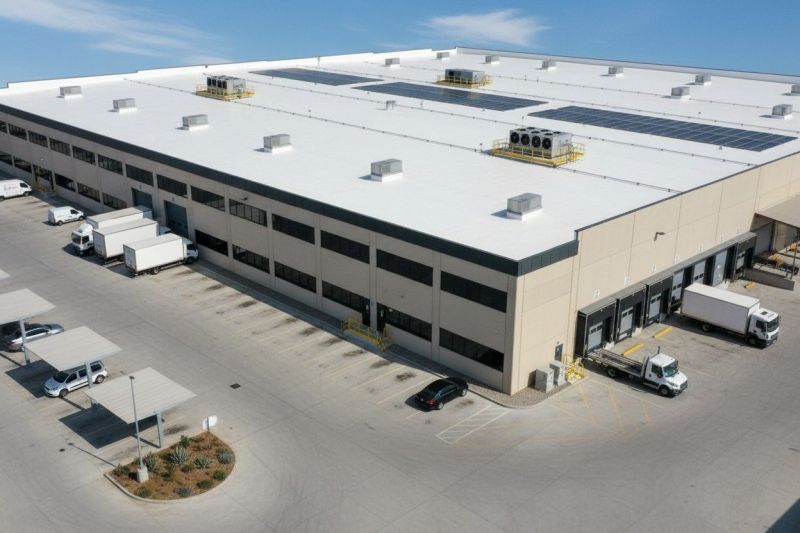
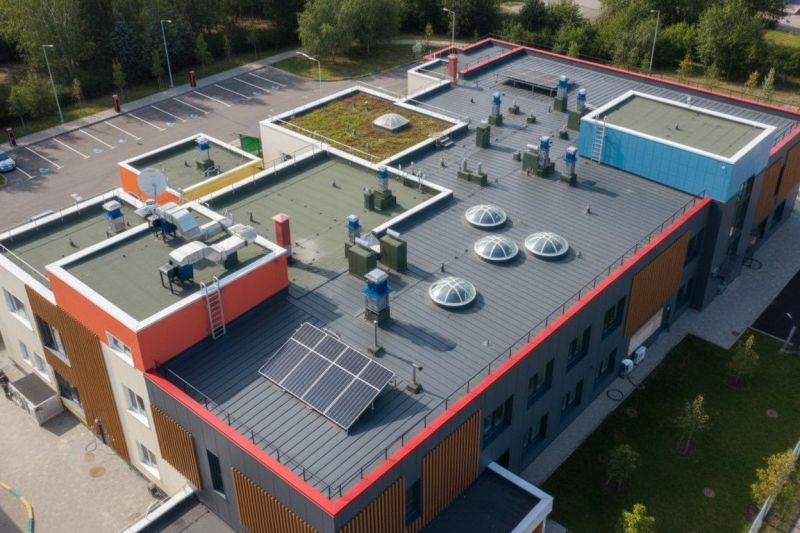
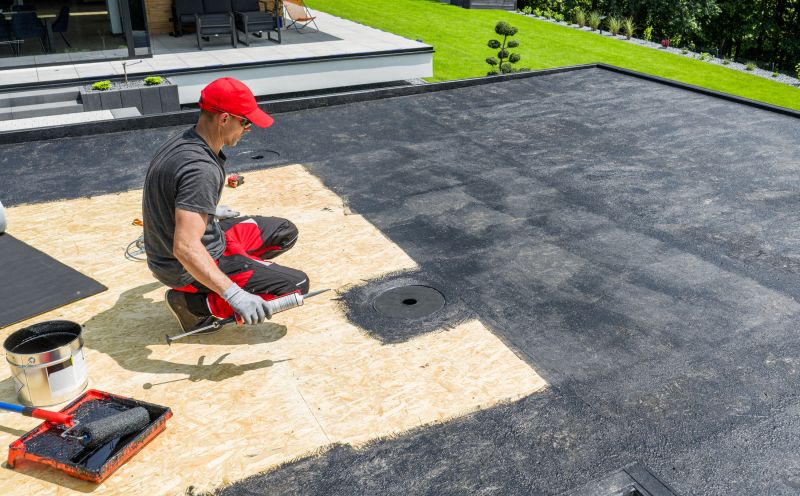
Commercial roof installation services involve the process of designing, planning, and installing new roofing systems on commercial properties. These projects typically require careful assessment of the building’s structure, selecting appropriate roofing materials, and ensuring proper installation to meet the property’s specific needs. Skilled contractors focus on creating durable, weather-resistant roofs that protect the building’s interior and assets, providing a reliable barrier against the elements. Whether upgrading an existing roof or installing a new one on a new construction, experienced service providers handle all aspects of the installation to ensure the roof performs effectively over time.
This service helps address common problems such as leaks, water damage, and structural wear that can compromise a commercial building’s integrity. A poorly installed or aging roof can lead to costly repairs, business disruptions, and safety concerns. By choosing professional installation, property owners can prevent these issues through high-quality workmanship and appropriate materials suited for the building’s environment. Properly installed roofs also improve energy efficiency, reduce maintenance needs, and extend the lifespan of the roofing system, making it a valuable investment for commercial property owners.
Commercial properties that typically utilize roof installation services include office buildings, retail centers, warehouses, industrial facilities, and multi-family housing complexes. These structures often have larger roof surfaces that require specialized knowledge and equipment for proper installation. Property managers and business owners who notice signs of aging, such as curling shingles, cracked membranes, or frequent leaks, may need a new roof to ensure continued protection. Additionally, buildings undergoing renovations or expansions might require new roofing to accommodate changes in layout or usage.
Understanding when to consider commercial roof installation is essential for property owners. If the existing roof shows signs of extensive damage, or if it has reached the end of its expected lifespan, replacing it can prevent more serious issues down the line. New construction projects also involve installing roofs as part of the building process. Local contractors experienced in commercial roofing can evaluate the property’s needs, recommend suitable materials, and ensure the installation is completed correctly. Contacting trusted service providers can help property owners find the right solution to protect their investment and maintain the building’s functionality.
The overview below groups typical Commercial Roof Installation projects into broad ranges so you can see how smaller, mid-sized, and larger jobs often compare in your area.
In many markets, a large share of routine jobs stays in the lower and middle ranges, while only a smaller percentage of projects moves into the highest bands when the work is more complex or site conditions are harder than average.
Smaller Repairs - typical costs for minor roof repairs generally range from $250 to $600. Many routine fixes fall within this band, though prices can vary based on the extent of damage and roof type.
Partial Roof Replacement - replacing a section of a commercial roof usually costs between $5,000 and $15,000. Larger, more complex projects tend to push costs into the higher end of this range, while simpler jobs stay toward the lower side.
Full Roof Replacement - complete commercial roof replacements often range from $20,000 to $100,000 or more. Many projects fall in the middle of this spectrum, with larger, more intricate jobs reaching higher prices.
Premium or Complex Projects - extensive or highly customized roof installations can exceed $100,000, though these are less common. Local contractors can provide estimates based on specific project details and scope.
Actual totals will depend on details like access to the work area, the scope of the project, and the materials selected, so use these as general starting points rather than exact figures.
Industrial Roof Coating - involves similar planning and application techniques as commercial roof installation, requiring expertise in surface preparation and material selection.
Flat Roof Repair - shares skills in waterproofing, membrane installation, and assessing roof conditions, making it relevant for commercial roofing projects.
Roof Deck Replacement - requires knowledge of structural support and weatherproofing, paralleling the skills needed for installing commercial roofing systems.
Building Envelope Waterproofing - involves protecting building exteriors through sealing and membrane work, closely related to commercial roof installation processes.
Metal Roof Installation - shares the use of specialized tools and planning for durable roofing materials similar to those used in commercial projects.
Storm Damage Roof Repair - involves assessing and repairing roofing systems, utilizing skills applicable to installing and maintaining commercial roofs.
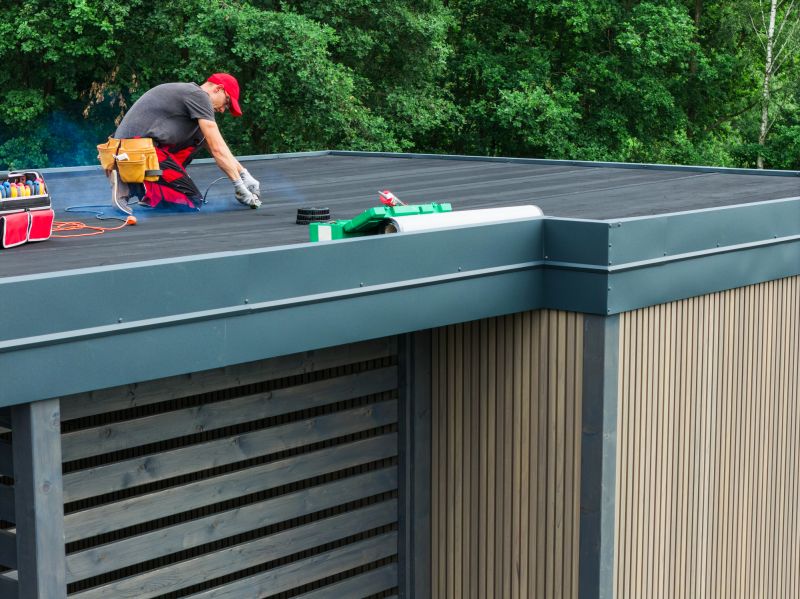
When evaluating potential contractors for commercial roof installation, it’s important to consider their experience with similar projects. A service provider who has successfully completed work on buildings of comparable size, design, or industry can often better anticipate challenges and deliver quality results. Asking about their past projects or reviewing their portfolio can provide insight into their expertise and familiarity with the specific requirements of commercial roofing. This helps ensure that the chosen contractor understands the scope and nuances of the work needed for your property.
Clear, written expectations are crucial when selecting local contractors for a commercial roof installation. A reputable service provider should be able to provide detailed proposals that outline the scope of work, materials to be used, and the projected process. Having these details in writing helps prevent misunderstandings and ensures that both parties are aligned on project goals. It’s also beneficial to request a comprehensive outline of the steps involved, so expectations are transparent from the outset.
Reputable references and good communication are key factors in choosing reliable local contractors. References from previous clients can offer valuable perspectives on the contractor’s professionalism, reliability, and quality of work. Additionally, a service provider who maintains open and clear communication throughout the process is more likely to facilitate a smooth project. This includes responsiveness to questions, transparency about progress, and clarity in discussing any issues that may arise. While the site introduces homeowners to local options, it’s important to verify these qualities directly with each contractor to find the best match for your commercial roofing needs.
Property owners use Commercial Roof Installation services for practical projects around their homes and businesses. This guide focuses on everyday jobs and straightforward project options.
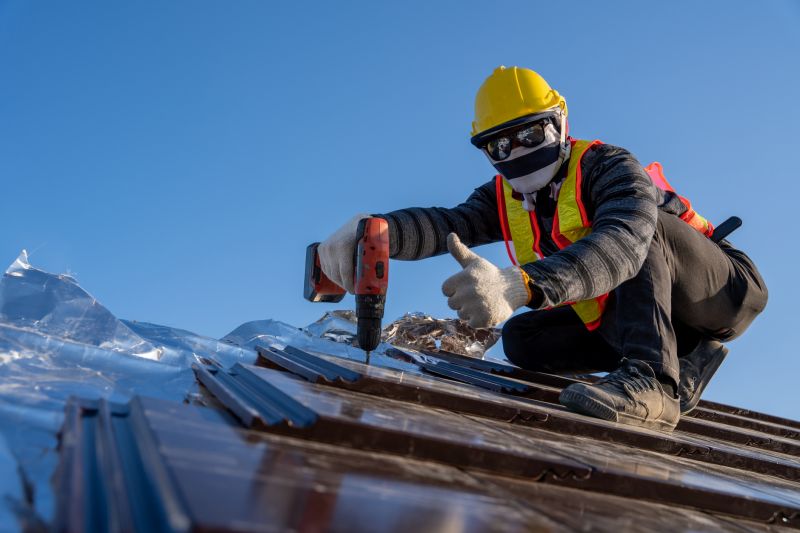
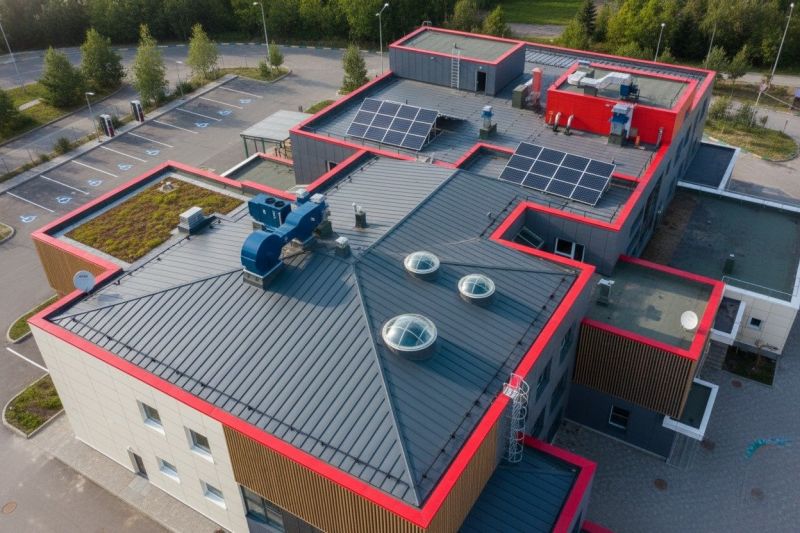
Commercial roof installation services are often needed when property owners notice signs of aging or damage, such as leaks, missing shingles, or worn-out materials. Businesses and building managers may seek new roofing solutions when preparing for renovations or upgrades, or to address issues that could impact the safety and functionality of their property. Local contractors can provide the expertise necessary to handle these projects efficiently, ensuring that the roofing system meets the specific needs of the building.
Property owners might also look for commercial roof installation services after experiencing severe weather events or noticing persistent problems that cannot be easily repaired. Upgrading an aging roof can help prevent future damage and improve the building’s overall durability. Local service providers are equipped to handle a variety of project situations, from straightforward replacements to more complex installations, offering solutions tailored to each property’s requirements.
What types of commercial roofs do local contractors install? Local contractors are experienced in installing various commercial roof types, including flat roofs, metal roofs, TPO, EPDM, and built-up roofing systems tailored to different building needs.
How can I determine if my commercial roof needs replacement or repair? Service providers can assess the condition of a commercial roof to recommend whether repair or replacement is appropriate based on factors like age, damage, and overall condition.
What materials are commonly used in commercial roof installations? Common materials used by local contractors include thermoplastic polyolefin (TPO), ethylene propylene diene monomer (EPDM), metal panels, and built-up roofing systems, chosen for durability and suitability.
Are there any building codes or regulations that affect commercial roof installation? Local service providers are familiar with regional building codes and regulations that may influence the choice of materials and installation methods for commercial roofs.
What maintenance is recommended after a commercial roof installation? Contractors often suggest regular inspections, cleaning, and minor repairs to help prolong the lifespan of a commercial roof and maintain its performance over time.
Commercial Roof Installation Planning - Property owners can explore options for new roofing systems to enhance building durability and value.
Roof Replacement Ideas - Business owners may consider upgrading their existing roof to improve energy efficiency and reduce maintenance needs.
Material Selection Guidance - Facility managers can choose suitable roofing materials that match their building’s use and aesthetic preferences.
Project Scope Development - Property developers can outline the requirements for large-scale roof installations to coordinate with local contractors.
If you are thinking about Commercial Roof Installation for a property, this guide is meant to help you understand the work, the typical project types, and how different options might fit your plans.
When you are ready, you can use the quote form on this page to share a few details about your project. From there, local pros can review the basics and respond with options that match what you have in mind.